Our picks for the best launch monitor for a home golf simulator, with the specs that matter, current retailers, and live pricing, so you can choose the right one and plan it into your build.
New to the hobby? The free DIY course explains every term in plain English and shows what each budget really buys.
How we rank: expert synthesis from independent reviews and manufacturer spec sheets, our own verified product research, the monitors our members actually run in published builds on this site, and live multi-retailer pricing. Rank is earned on merit whether or not we can monetize a pick, and when two monitors tie on merit the one with no mandatory subscription wins. We print the real annual software cost next to every pick instead of repeating the marketing line.
Prices refresh automatically from retailers and may include affiliate links. Buying through them supports the community at no extra cost to you. Sale tags show only when a verified discount survives rounding.
How we rankHouse rule: no subscription wins ties
Four kinds of evidence decide these ranks, and each pick names the ones it leans on: expert consensus from independent reviews, our own verified product research (spec sheets, mount geometry, and the real annual software cost, last re-verified 2026-06-11), community data from the builds our members actually publish on this site, and value math over a realistic five year ownership window. Two rules sit above all of it. First, rank is on merit whether or not we can monetize a pick: unmonetizable hardware holds ranked slots here, and affiliate economics never move a position. Second, our house tie-breaker: no subscription wins ties. When two monitors are level on merit, the one that does not bill you every year takes the higher slot, and we print the real annual number next to every pick rather than repeating whatever the box says. What we do not claim: we have not lab tested these against each other. Where an accuracy claim comes from somebody else, we say whose it is.
The expert consensus budget pick, and it earns it: a portable radar unit at about $500 that talks to GSPro and E6 Connect out of the box, which is the whole reason a sub-$500 monitor is worth owning. Three of our members run one. Nothing else at this price gets you into real simulator software.
The caveat
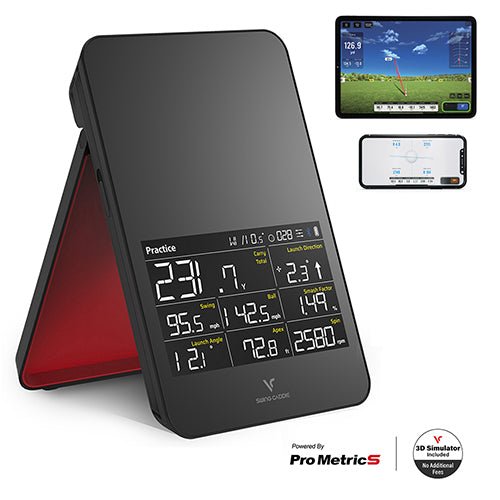
Two honest limits. It wants room: our research puts the practical minimum at about 14 ft of depth, because the unit sits roughly 6 ft behind the ball and then needs about 8 ft of ball flight. And it does not measure the club face, it models it: club numbers are radar estimates, and they are the first thing to get soft indoors. Separately, Garmin's own Home Tee Hero course play needs the Garmin Golf membership at about $100 a year. GSPro and E6 do not.
Evidence
expert consensusour own verified product researchcommunity data (3 members run it)
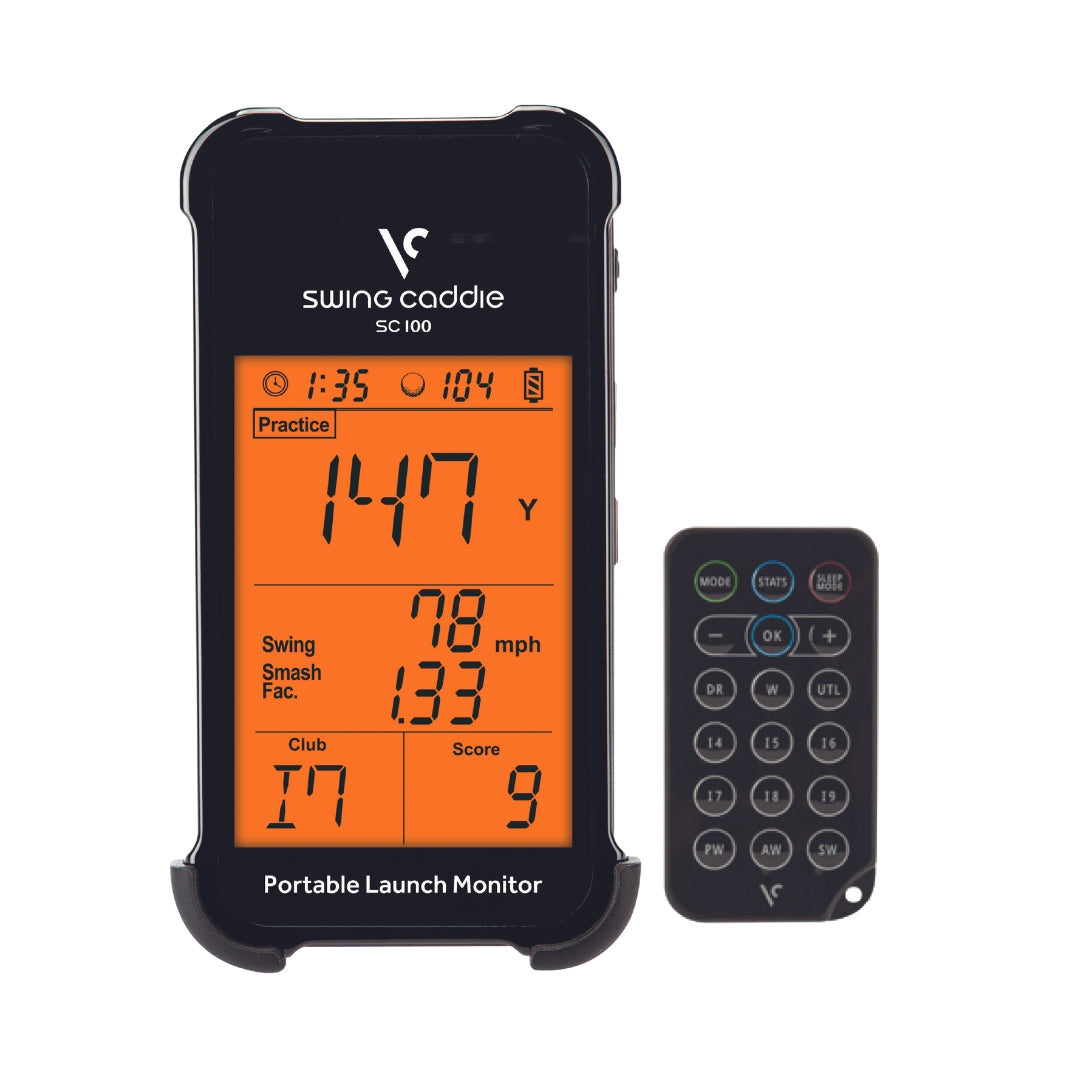
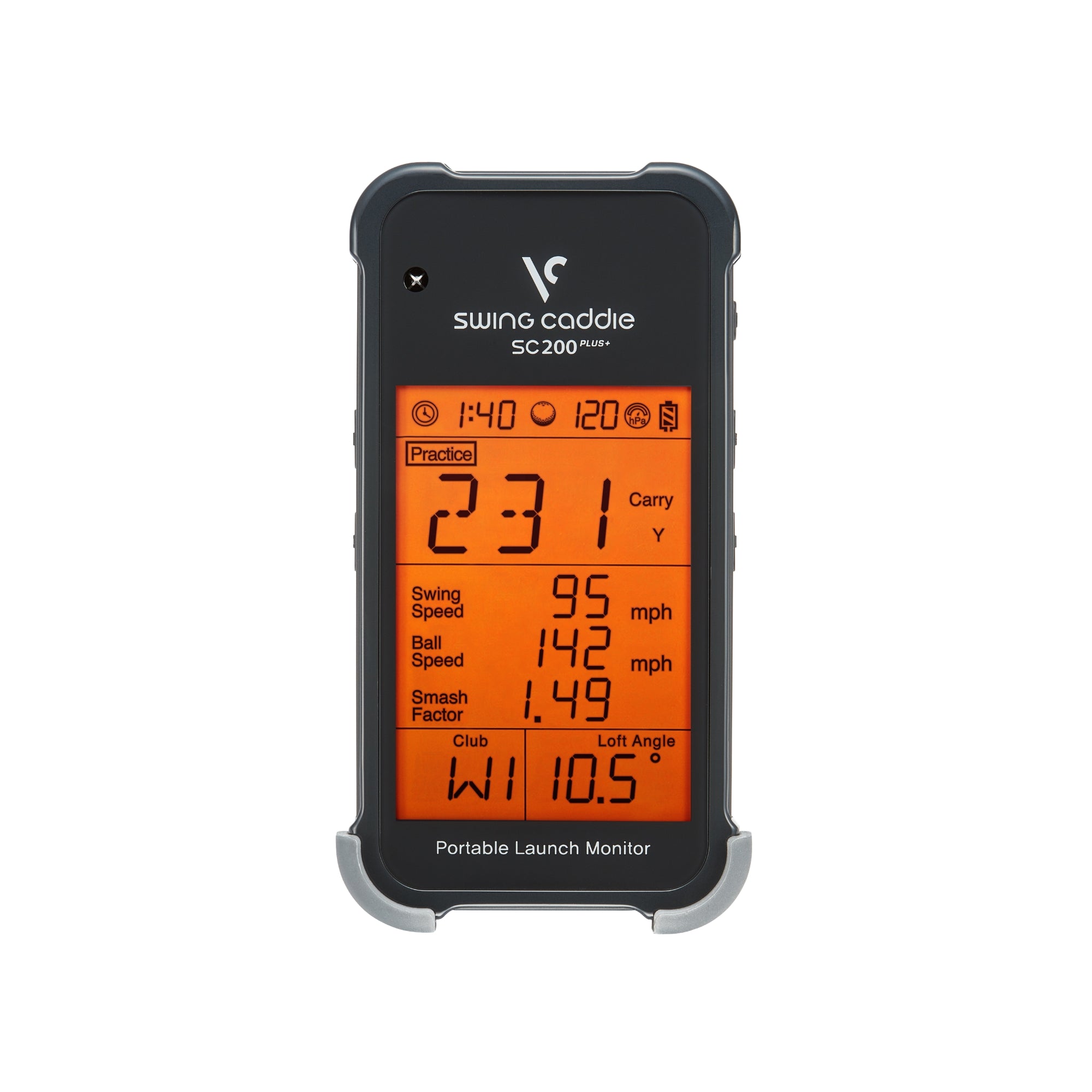
About $200, and the app is free for life with nothing to renew, ever. As a swing speed and carry tracker for a net in the garage it is honest value.
The caveat
Say the disqualifier plainly: it is not a simulator. Five metrics, no spin or launch angle on screen, and no GSPro, no E6, no course play of any kind. If the goal is a sim bay, this is the wrong shelf.
Evidence
our own verified product research (no simulator integration, 5 metrics)
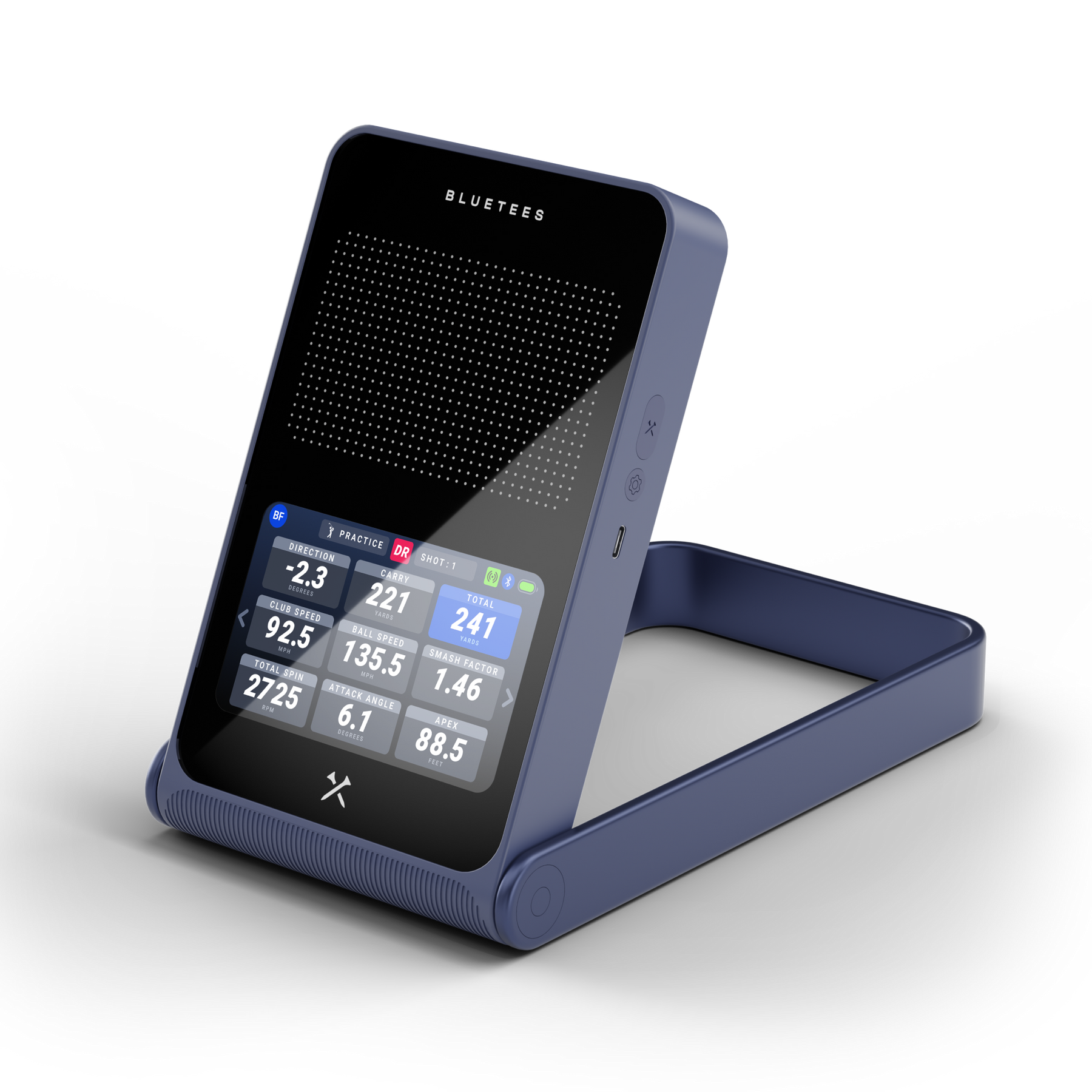
The one with a screen built into it. An onboard touchscreen means it runs with no PC and no laptop balanced on a stool, it works with any standard ball, and it goes outside as happily as in.
The caveat
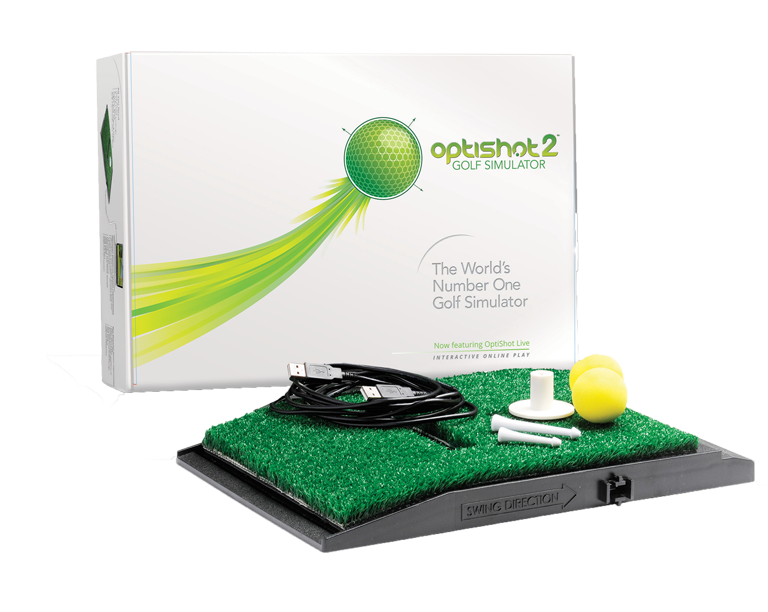
It is radar, so it wants about 18 ft of total depth, spin is radar derived and should be read as approximate rather than measured, and the simulator ecosystem is E6 Connect and OptiShot. Not GSPro, which for this community is the thing most people are actually buying toward.
Evidence
our own verified product researchmanufacturer spec sheet (onboard touchscreen)
Skip this one
Rapsodo MLM (the base model)
Skip it for sim use. It shows up around $200 to $300 and looks like the bargain of the tier, but it is iOS only and has no third-party simulator support at all: course play is a feature of the MLM2PRO, not this. If a simulator is where you are headed, this is a dead end that costs you a season.
Evidence
our own verified product research (iOS only, no third-party sim support)
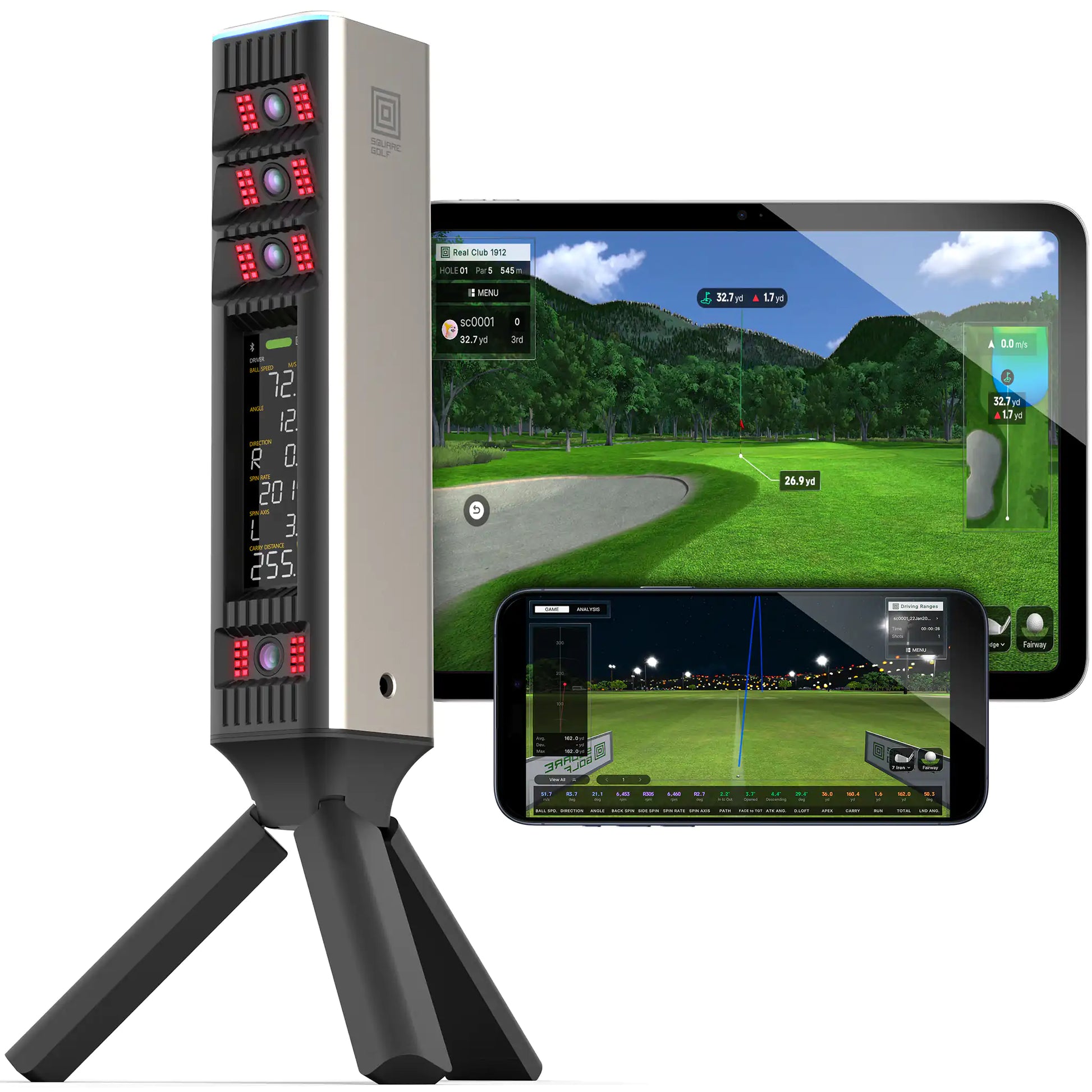
This is the pick that rewrote the tier. Four infrared cameras reading the ball and club from the side, full measured club data, an onboard touchscreen with 1,000 course credits included, and no subscription for the native software. Side placement means it wants about 10 ft of depth instead of the 14 to 16 ft a radar needs, which quietly makes it possible in rooms where the budget radars are not. Six of our members already run one. Breaking Eighty, testing it against a Trackman, called it shockingly good.
The caveat
Full club data needs the included clubface and shaft stickers, so markerless applies to the ball and not the club. Our own research note flags that no independent lab validation had been published when we verified it, and that note predates general shipping, so the member count is the fresher signal. And the no subscription line covers Square's own software: GSPro, E6 and Awesome Golf are still their own licenses.
Evidence
community data (6 members run it)independent reviewer (Breaking Eighty)our own verified product research
The second most-run launch monitor in this entire community, with 16 members on it, and the cheapest way into GSPro that we would actually stand behind. No mandatory subscription, side placement so about 10 ft of depth is enough, and real ball data rather than a training toy pretending.
The caveat
Indoor only, because sunlight interferes. The hitting zone is small at about 6 by 6 inches, which is a real discipline tax on ball placement. And measured spin needs marked balls; with a plain ball the spin number is an estimate, so treat it as such.
Evidence
community data (16 members, our #2 most-run product)our own verified product research
The purist argument is real and we will make it for you: this is genuinely tour-class camera hardware, a three camera infrared system, at about $1,500. Three of our members run something in the Launch Pro family. If your only question is which sensor at this price measures best, the answer is probably this one.
The caveat
The value argument is why it sits third. Ball data is free, but club data and any simulator at all need FSX Silver at about $199 a year or FSX Gold at about $499 a year, and GSPro is about $250 a year on top of Gold. Run GSPro on it and you are at roughly $749 every year, forever. Over five years that is more than the unit cost, and the Omni above it does the job for nothing recurring. We are ranking the total cost of playing golf, not the sensor in isolation.
Evidence
value math (five year cost of ownership)our own verified product research (FSX tier pricing)community data (3 members in the Launch Pro family)
The one to buy if the same unit has to work on a range as well as in the bay, and there is no subscription on the core product. Indoors it needs help: accurate spin wants the included aluminum stickers or Titleist RCT balls, and as a radar it wants about 16 ft of depth minimum and closer to 21 ft to be at its best.
Four of our members run one, so this is not a warning about the hardware. It is a warning about the arithmetic. Simulator play and spin both sit behind Premium at about $200 a year, and spin also requires RPT marked balls, without which the unit reports no spin at all rather than an estimate. Two years of Premium costs more than the monitor did. It is mobile only, and third-party sims charge their own fees on top.
Evidence
value mathour own verified product research (RPT balls required for spin)
Discontinued and no longer manufactured, and our catalog currently carries no live retailer for it, which is why it has no price next to it. Two of our members still run one and it is still a capable hybrid, but course play needed a membership starting around $130 a year and a discontinued unit means a shrinking support runway. Buy used only with clear eyes.
Evidence
our own verified product research (discontinued)community data (2 members)
Uneekor ball tracking with any white ball for under $1,000, no marked balls, no ball stickers, and GSPro, E6 and TGC 2019 all supported. If it holds up it changes this tier again. The reasons it is a watch item and not a rank: club data is a separate paid Club Optix upgrade, Uneekor has not published room specs for the CORE specifically, and we have no member builds on it yet to check the marketing against.
Evidence
our own verified product researchno community data yet
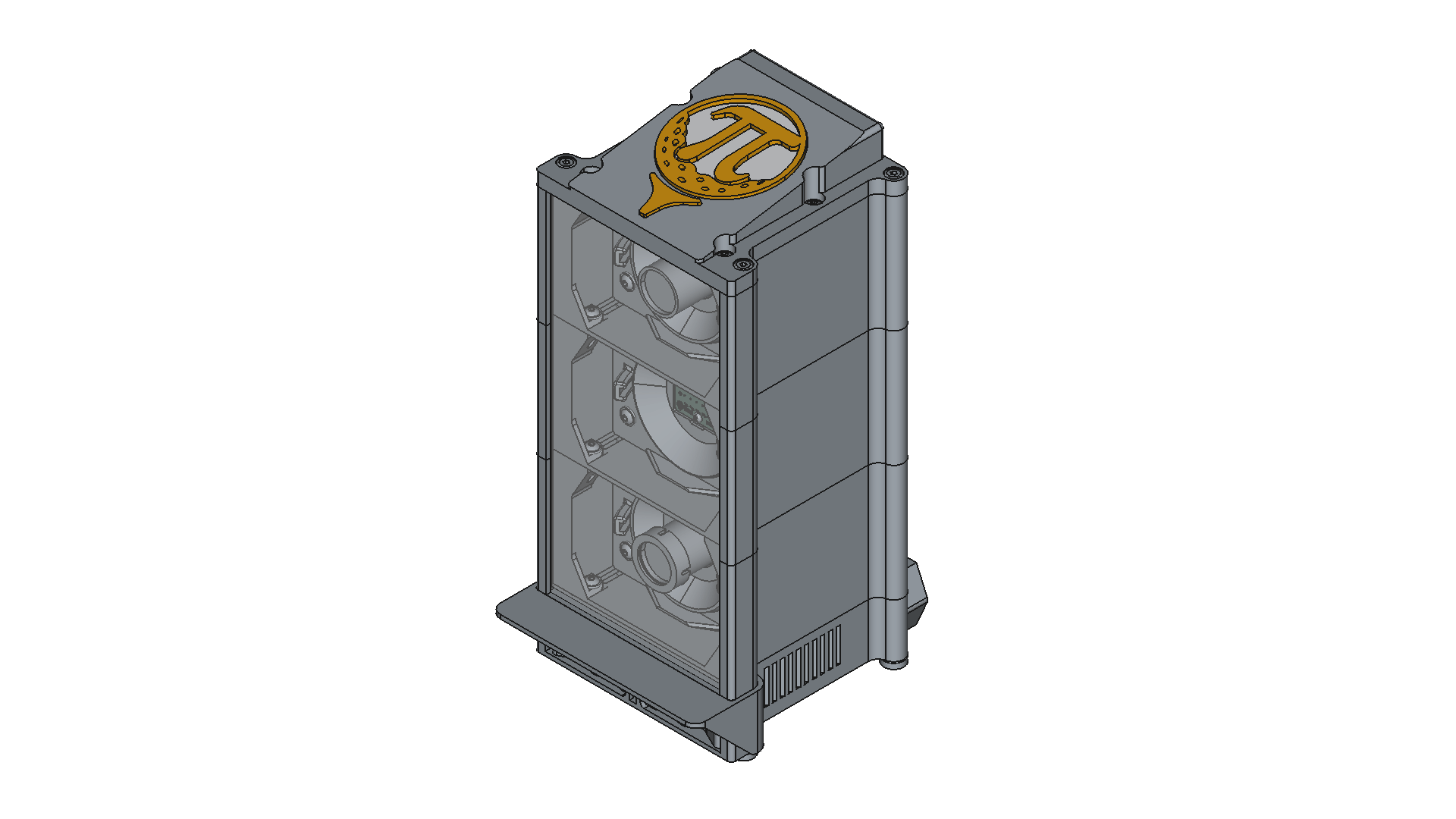
The most-run launch monitor on this entire site: 17 of our members run one, more than any other product in any category we track. Overhead AI dual-camera tracking, no club stickers and no proprietary marked balls, and because it lives on the ceiling the floor stays empty, so a lefty and a righty trade places without moving a thing. It ships with two synced swing cameras for face-on and down-the-line video plus tripods, and with a perpetual ProTee Labs license: no subscription, no expiry, nothing to renew. GSPro, E6 Connect and TGC 2019 are all supported. We sell it direct, with financing available.
Hard requirement
It needs 9 to 10 ft above the hitting surface, and that is not negotiable. The manufacturer setup guide is written around ceiling-to-hitting-surface heights in that band, and our own mount data carries the same 9 to 10 ft with the unit sitting about 3 ft 4 in to 3 ft 7 in forward of the hitting area. Under 9 ft, this is simply not your launch monitor, and the 3D builder will tell you before your wallet does.
The caveat
Markerless in the way that matters, no stickers and no proprietary ball, but our own fine print is blunter than the marketing: plain or blank balls track spin poorly at speed. Plan on a printed premium ball, a TP5 or a Pro V1, if spin numbers matter to you. It is also Windows only, wired Ethernet only, with no Wi-Fi, no Bluetooth and no mobile app. And overhead placement eats forward swing space, so read the whole geometry, not just the ceiling number.
Evidence
community data (17 members, our #1 most-run product)our own verified mount geometry (lib/launch-monitor-mount.js)our own verified product research
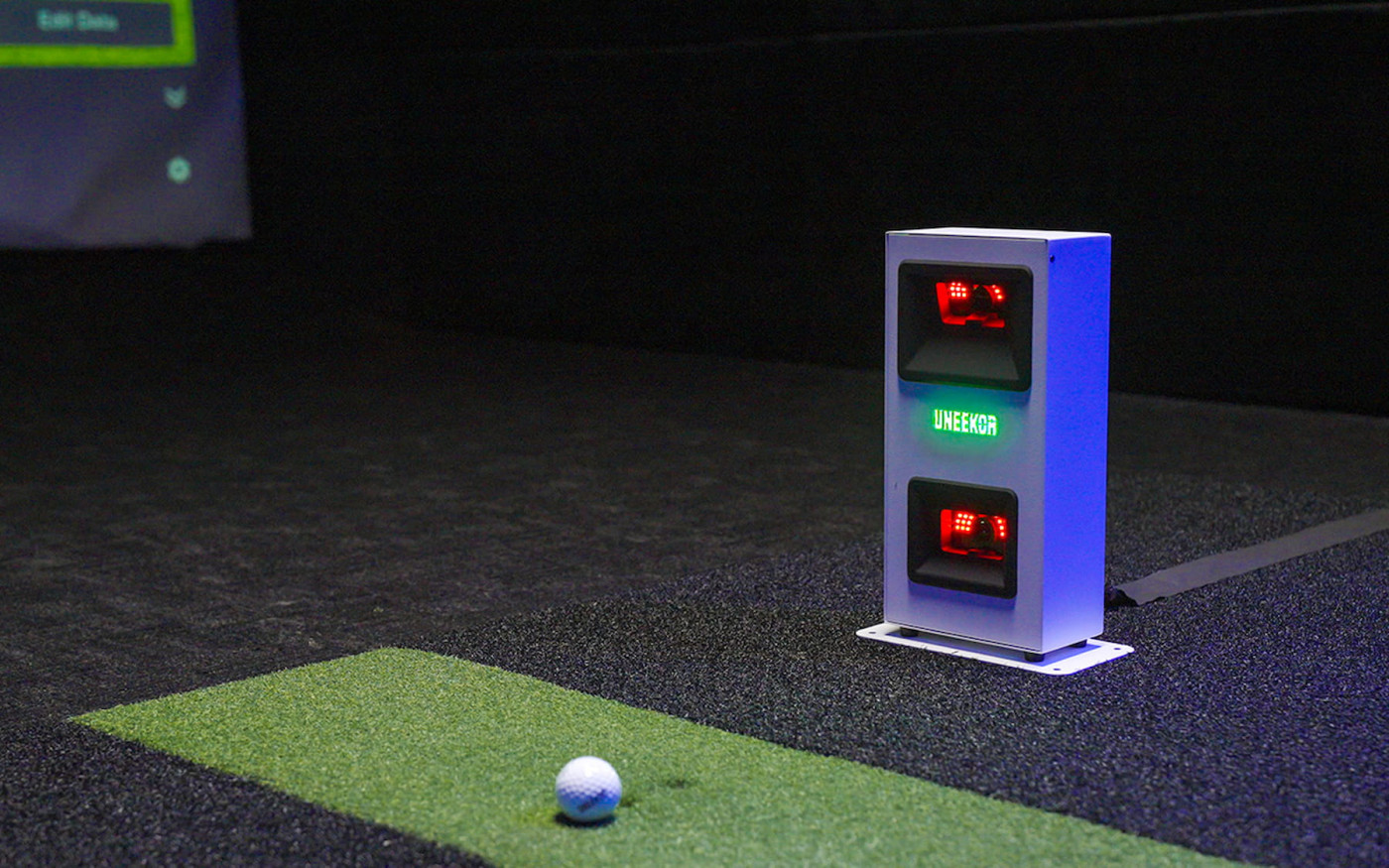
The accuracy-per-dollar pick of the whole guide, and our third most-run monitor with 14 members on it. Nineteen directly measured ball and club metrics, fifteen ball and four club by our spec sheet, from dual high speed cameras. It works with any unmarked ball, it stands on the floor beside you so there is no ceiling mount to install, and it lives happily under an 8 ft ceiling, which is the lowest bar of anything ranked in this tier.
The caveat
Be careful with the no subscription framing on this one, because the fine print is real. Uneekor's Player package is free and included, so you can own and use the unit with nothing recurring. But third-party simulator play, meaning the GSPro path most of this community wants, sits behind Uneekor's Pro tier at about $199 a year according to our own spec sheet. Club metrics also need stickers on the clubface. On accuracy: independent reviewers have put it within about 1 to 2 percent of a GCQuad on ball data. That is their testing and not ours, and we would rather say so than borrow the credit.
Evidence
community data (14 members)our own verified product researchthird-party reviews (accuracy claim, not ours)
For the person who wants to press one button and hit golf balls. A ten inch screen is built into the unit, so it plays with no PC in the room at all, it measures spin optically with any ball, and it sits beside you, so about 10 by 10 ft with a 9 ft ceiling is enough room. Four of our members run one. Nobody has ever had to troubleshoot an Ethernet adapter to use it.
The caveat
Club data is the soft spot: clubface stickers are required for it, and our own research flags angle of attack as the least reliable number the unit produces. The built-in Home Tee Hero course library needs the Garmin Golf membership at about $100 a year, so the all-in-one is not quite fee-free. And if you want GSPro or E6 after all, you are back to needing a PC, which undoes some of the reason you bought it.
Evidence
community data (4 members)our own verified product research
The indoor and outdoor sibling of the LPi, with the same fee structure and the same GSPro-on-top-of-Gold arithmetic. Worth a naming warning before you shop: our catalog listing for the $1,500 indoor unit describes it in its own words as the Circle B Edition Launch Pro i, so a listing labelled Circle B may be either machine. Confirm which body you are buying before you pay.
Evidence
our own catalog listing textour own verified product research
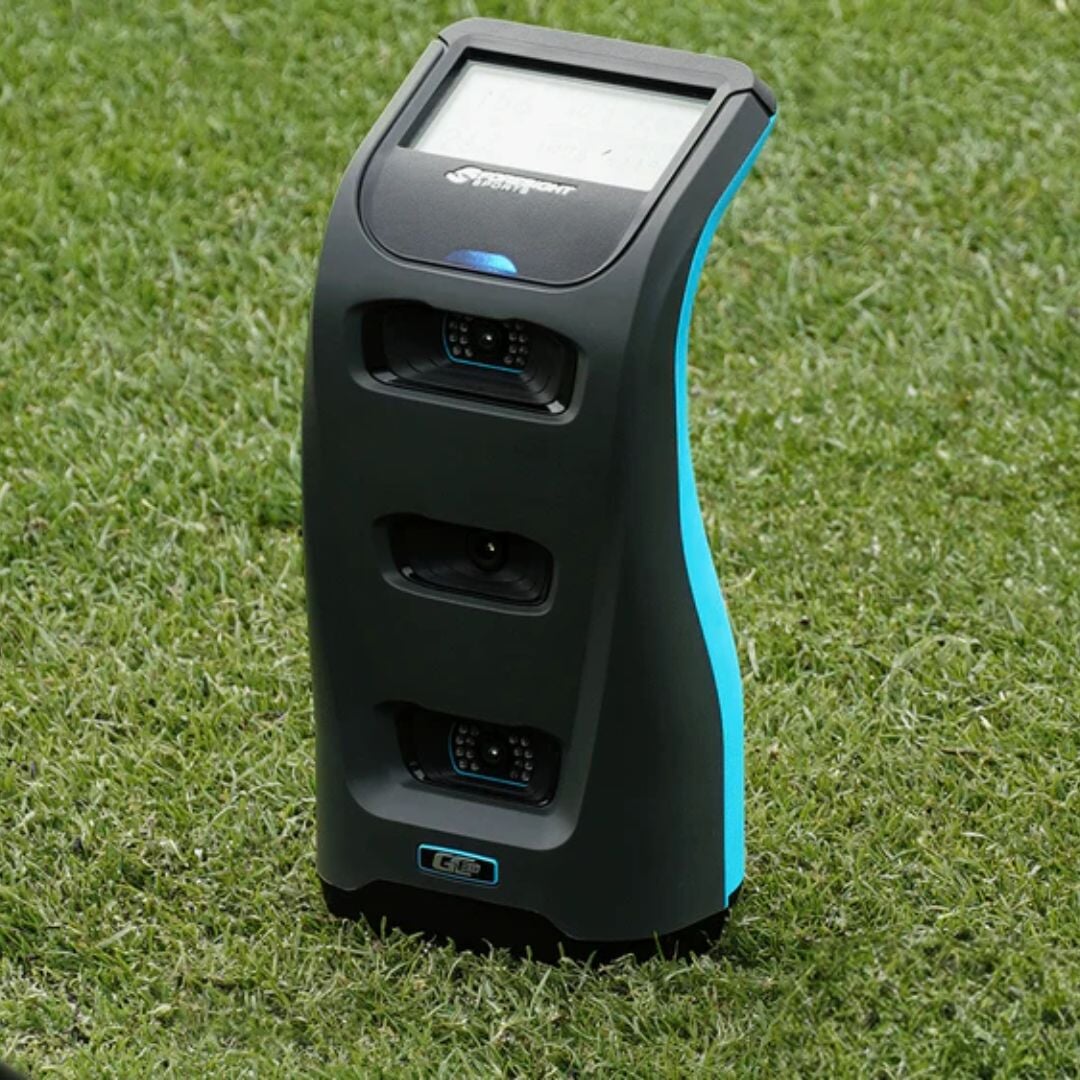
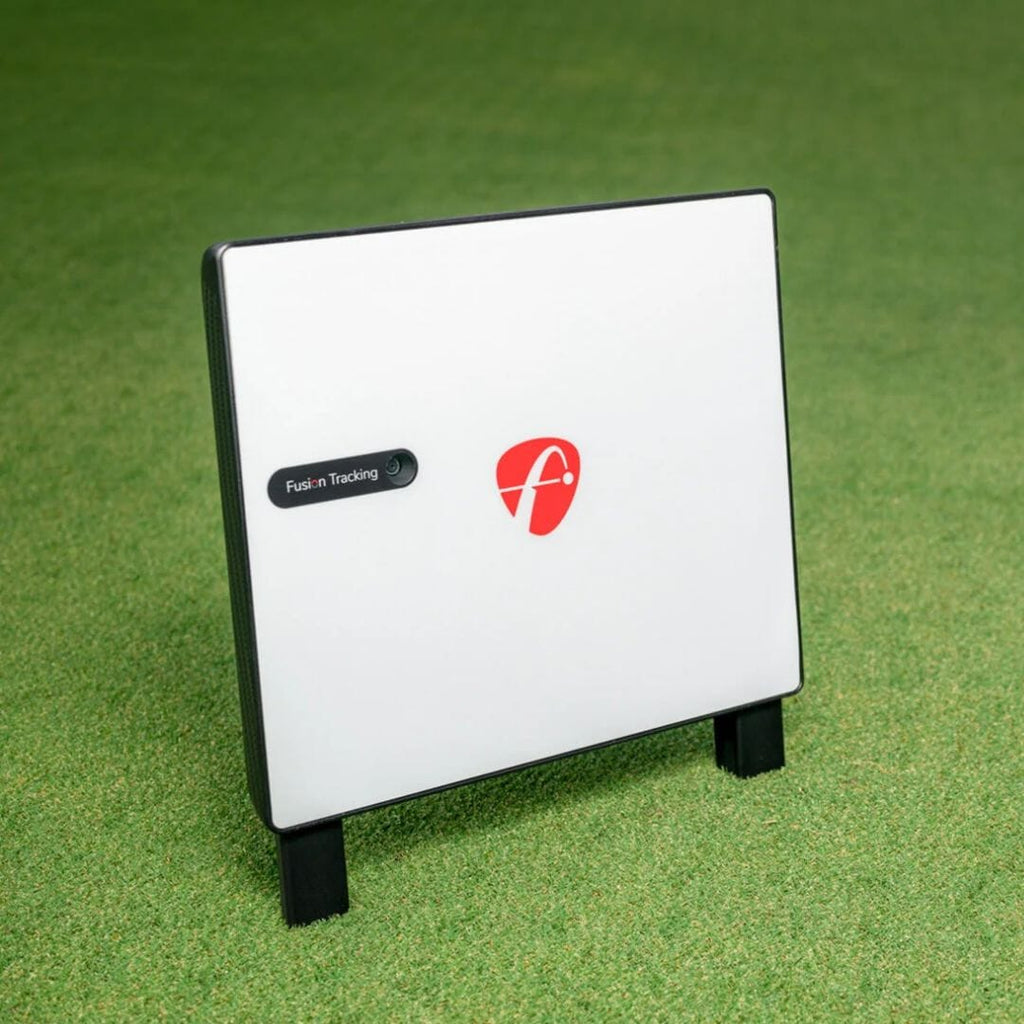
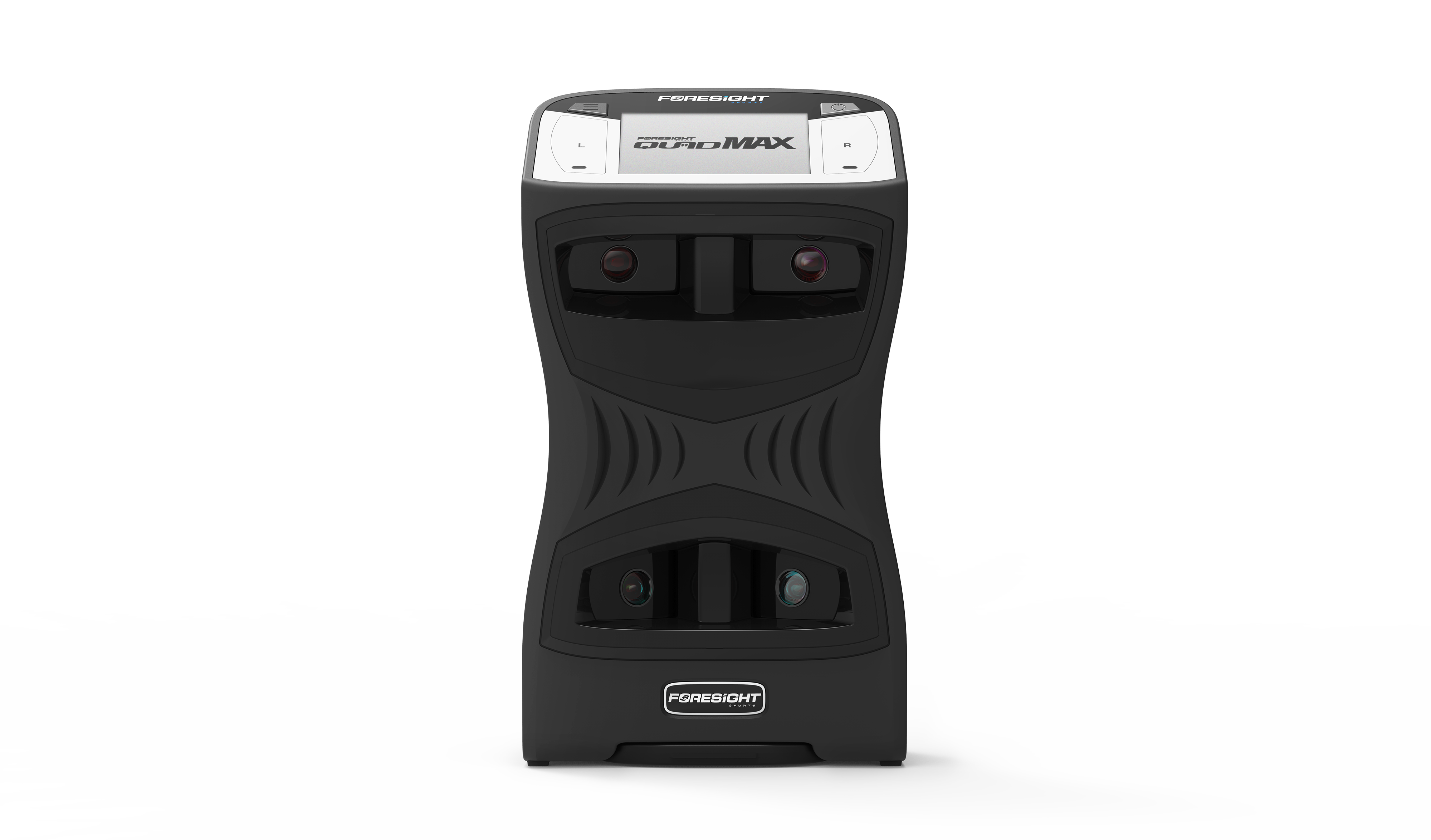
Our catalog describes it accurately as Foresight's first subscription-based launch monitor, and that is the caution. Ball data is free, but club data and any simulator need Gold at about $499 a year, and GSPro is about $250 a year on top of that. The community signal is worth reading too: four of our members run the older, pre-subscription GC3 and exactly one runs the GC3S.
Evidence
our own verified product researchcommunity data (GC3: 4 members, GC3S: 1)
about $2,000 at our best listed retailer price, against a $2,995 listLive
$1,695
A capable camera unit that works with any standard ball and needs about 10 by 10 ft. The reason it is a mention and not a rank: GSPro support is an unofficial community bridge rather than an official integration, and in a community where 27 of our 28 published builds run GSPro, unofficial is a load-bearing word. Course play on its own platform also needs a paid tier.
Evidence
our own verified product researchcommunity data (published build software mix)
about $13,995, plus about $700 to $1,100 a yearLive
$13,995
If you want the name on the box to end the argument, this is it, and the software is genuinely part of why. Trackman's own first-party package and course visuals are the best in the category, nobody is close on presentation, and the overhead design means no ball flight distance is required at all: about 10 ft of depth works, with a ceiling in the 9 ft 4 in to 9 ft 8 in range. True 3D spin comes from a high speed camera rather than an estimate.
The caveat
Two things have to be said plainly. It is a subscription product: about $700 a year for Home and about $1,100 for Home Complete after a bundled first year, with no way to opt out and keep playing. And it is a closed ecosystem: Trackman Performance Studio is the only software it runs. No GSPro, no E6, no TGC. In a community where 27 of our 28 published builds run GSPro, that is not a footnote, it is the entire decision. It is Windows only, and avoid Titleist RCT balls, whose metal layer degrades the camera tracking.
Evidence
expert consensusour own verified product researchcommunity data (published build software mix)
The iO Duo, for narrow bays and mixed-handed households
About $18,995, and it exists for a specific room: bays roughly 9 ft 6 in to 14 ft wide, where a single overhead unit cannot cover both sides. The Duo also solves the lefty and righty problem without anyone repositioning hardware between shots. Same ceiling band, same subscription, same closed ecosystem.
Under our tie-break doctrine and this community's actual GSPro reality, this is the pick the math keeps landing on. The largest hitting zone in the Uneekor line at about 28 by 21 inches, 24 ball and club metrics, no marked balls and no stickers on the ball, and it plays GSPro, E6 Connect and TGC 2019. Run the five year numbers: about $10,999 plus about $199 a year for Uneekor's Pro tier plus about $250 a year for GSPro comes to roughly $13,200, and at the end you own the hardware and can stop paying anyone. A Trackman iO over the same five years is about $13,995 plus four renewals at about $700, roughly $16,800, and you still cannot run GSPro at any price. That gap is the argument.
The caveat
Be precise about the fee, because the marketing is not: the free Player package covers ball and club data on Uneekor's own software, but third-party simulator play sits behind the Pro tier at about $199 a year. It wants a 9 ft plus ceiling, 9.5 ft for comfortable full swings, 12 to 15 ft of width, and bright even light. Wired Ethernet only. Club metrics can drop out when the ball sits over the clubface stickers. Three of our members run one.
Evidence
value math (five year cost of ownership)our own verified product researchcommunity data (3 members)
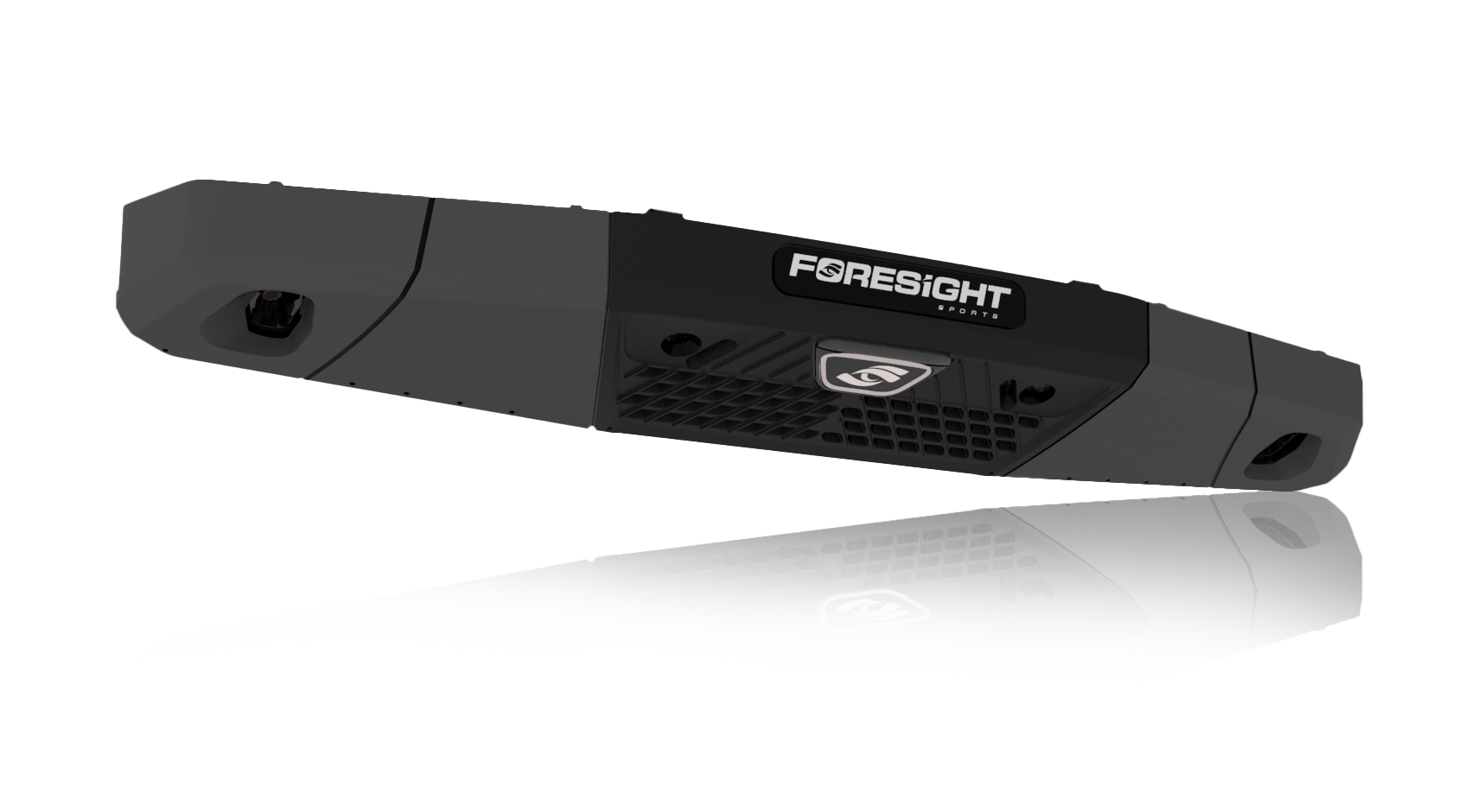
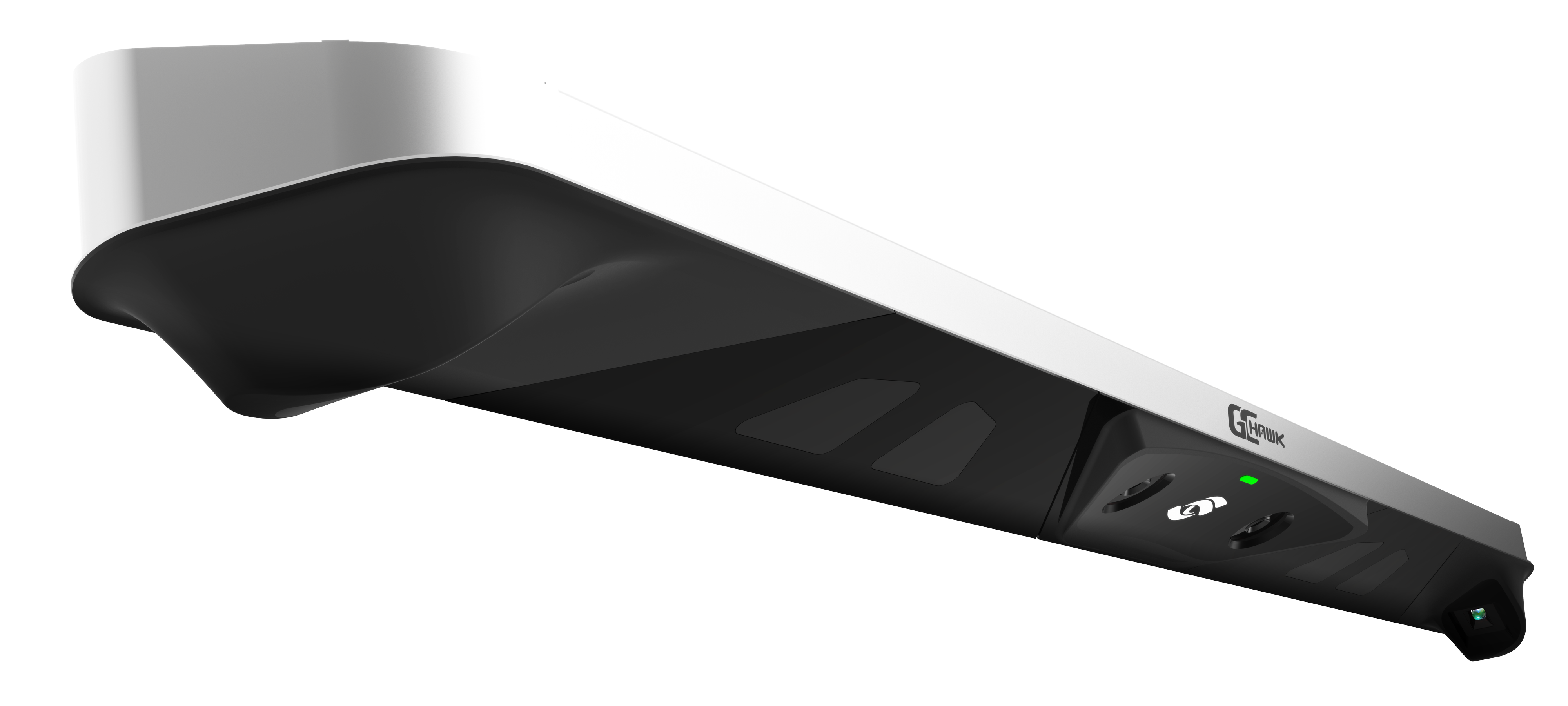
The best club data in golf, in an overhead body. This is GCQuad-class quadrascopic camera technology mounted on the ceiling, and the software story is the quiet win: FSX Play and FSX 2020 with 25 courses are included with no subscription at all, and GSPro is officially supported rather than bridged. Among the units at this money, it is the one that asks for nothing back every January.
The caveat
The room has to earn it. Ceiling of 9.5 to 10.5 ft, a permanent ceiling mount rather than something portable, roughly 12 ft of width and 14 ft of depth, and an RTX 3060 class Windows PC. Club metrics need fiducial stickers on the clubface, and the hitting zone is about 11 by 11 inches, which punishes casual ball placement.
Evidence
expert consensusour own verified product research (FSX included, no required subscription)
about $15,000 at our best listed retailer priceLive
$19,999
The portable sibling to the Falcon, and the better answer if a permanent ceiling mount is off the table: side placement means it needs no ball flight distance and fits in about 10 by 10 ft. It ships unlocked with Foresight software and no mandatory subscription. The trade is handedness: you physically reposition the unit to switch between a lefty and a righty, which is exactly the chore the overhead units above delete.
Evidence
our own verified product research
Ceiling height decides this more often than budget does
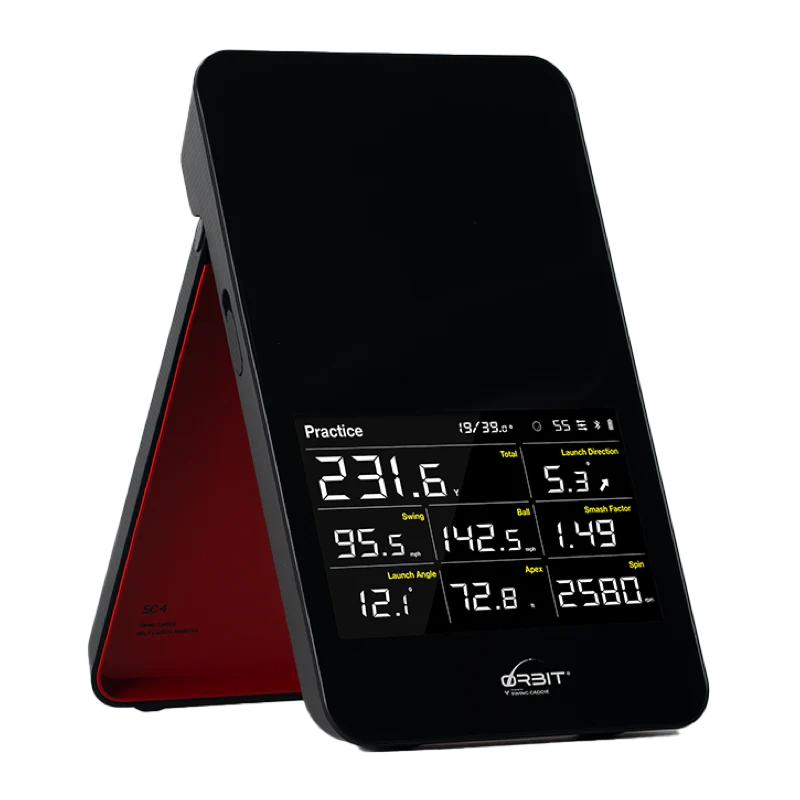
Sort the whole category by where the sensor lives and most of the confusion goes away. Overhead units, the ProTee VX, Trackman iO and Foresight Falcon, need 9 to 10.5 ft above the hitting surface and give you back a completely clear floor plus instant lefty and righty swaps. Side units, the Uneekor EYE MINI LITE and EYE XO2, both Square models, the Bushnell Launch Pros, the Garmin R50 and the Foresight side units, sit on the floor next to the ball and care about width, typically about 10 to 15 ft, but need almost no depth. Radar units, the Garmin R10, Mevo Gen2, MLM2PRO and Voice Caddie, are the hungriest: they measure the ball in flight, so they want 14 to 21 ft of depth and there is no clever mount that gets around it. Measure the room before you pick a price band, because the room disqualifies more options than the budget does. The 3D builder models the exact mount, forward offset and ceiling clearance for every unit in this guide.
17 of our members run the ProTee VX, the most-run product of any kind on this siteSource: most-run gear across published member builds, read 2026-07-31
16 of our members run the Square Home Edition, our #2 most-run productSource: most-run gear across published member builds, read 2026-07-31
14 of our members run the Uneekor EYE MINI LITE, our #3Source: most-run gear across published member builds, read 2026-07-31
6 of our members already run the Square Golf OmniSource: most-run gear across published member builds, read 2026-07-31
27 of our 28 published member builds run GSPro, which is why official GSPro support weighs so heavily in these ranksSource: published builds on this site, read 2026-07-31
4 of our members run the older Foresight GC3 and 1 runs the subscription-based GC3SSource: most-run gear across published member builds, read 2026-07-31
Community counts read 2026-07-31. They move as members publish builds.
Click any column header to sort · drag the table to scroll · Columns reveals every spec we track · click a row for the full breakdown panel. Prices are the lowest live across all retailers.